Design Once. Learn Every Day — Reflections from PHIST 2026
Danny Bentley reflects on PHIST 2026 and how digital design, building data, IoT, and AI can improve hotel performance and long-term operating decisions.
By Danny Bentley
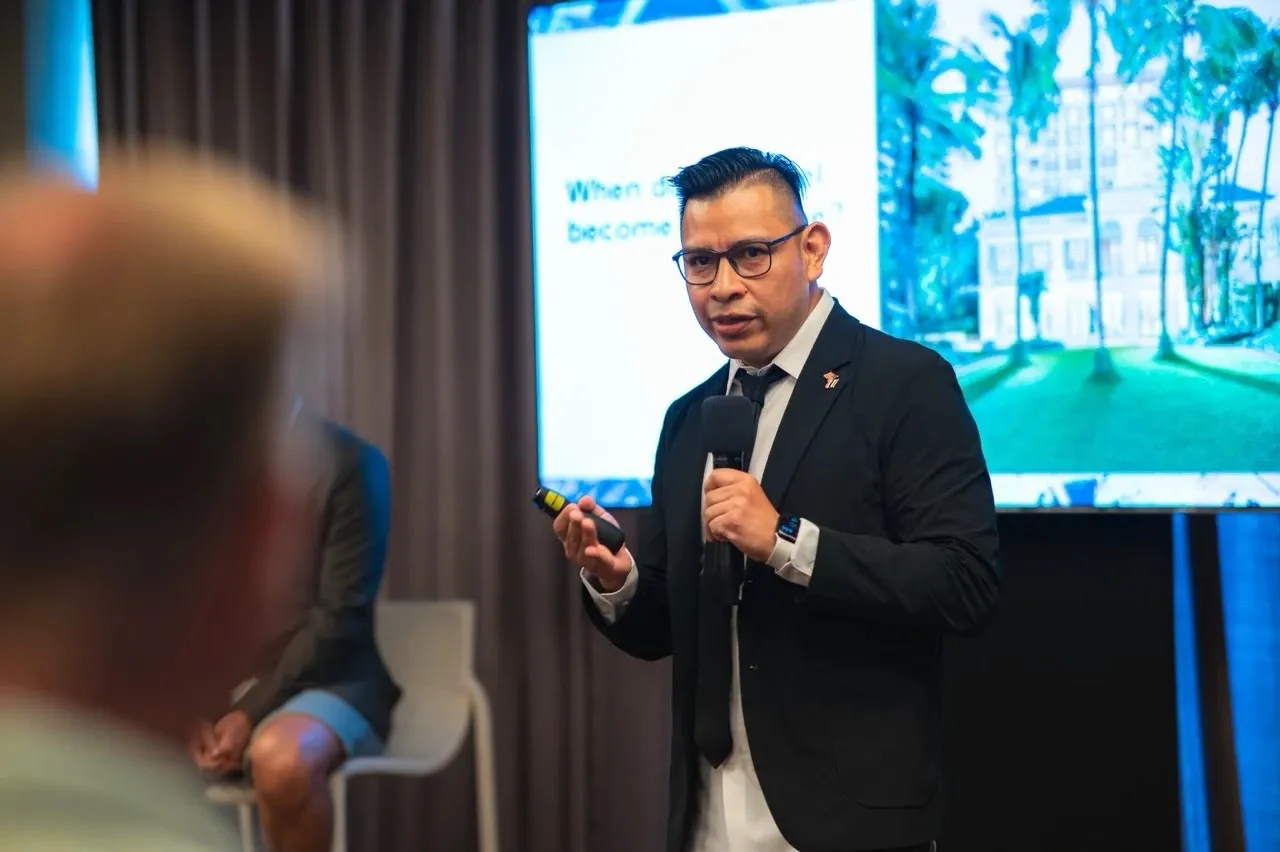
On 7 September 2026, I joined PHIST 2026 — Phuket Hotels for Islands Sustaining Tourism — at Angsana Laguna Phuket in Phuket, Thailand, as a speaker and panel participant in “How Technology is Transforming Hotel Energy & Design.” I spoke about connecting sustainable design, building performance, IoT, and AI to the everyday decisions involved in running a hotel.
The starting point was personal. I grew up around hotels because my father owns one. From an early age, I saw that a hotel continues to cost money long after construction finishes. Every day brings energy and water use, maintenance, equipment repairs, and materials that eventually need replacing.
When does a hotel become expensive?
At PHIST, I used that experience to ask: When does a hotel become expensive—is it when we build it, or every day after it opens?
The construction budget is visible and closely watched. Operating costs accumulate over years. Many of the decisions that influence those costs have already been made before the first guest arrives: how the building faces the sun, how much glass it uses, how spaces are arranged, and which materials and systems are selected.
That is why I see sustainability as part of design judgment. A decision needs to work for the building over time, as well as for the drawing, the specification, and the opening day.
Build it digitally before building it physically
BIM and computational design give us ways to test decisions before committing to them. A digital model can provide structured geometry and information for studies of energy and water use, solar exposure, shading, daylight, and thermal comfort. We can compare orientation and building form, and examine material choices alongside their maintenance and replacement implications.
These studies depend on assumptions. Occupancy, operating schedules, weather, and how equipment is controlled all affect the result. A model is useful when those assumptions are clear enough to question.
The value is not perfect prediction. It is having better information while changes are still relatively easy and inexpensive. Moving a facade, adjusting shading, or revisiting a specification during design is a different proposition from doing it in an operating hotel.
This connects with my work on sustainability review with AI: information needs to remain traceable as it moves between models, documents, and decisions. A good analysis loses value if its assumptions disappear during delivery.
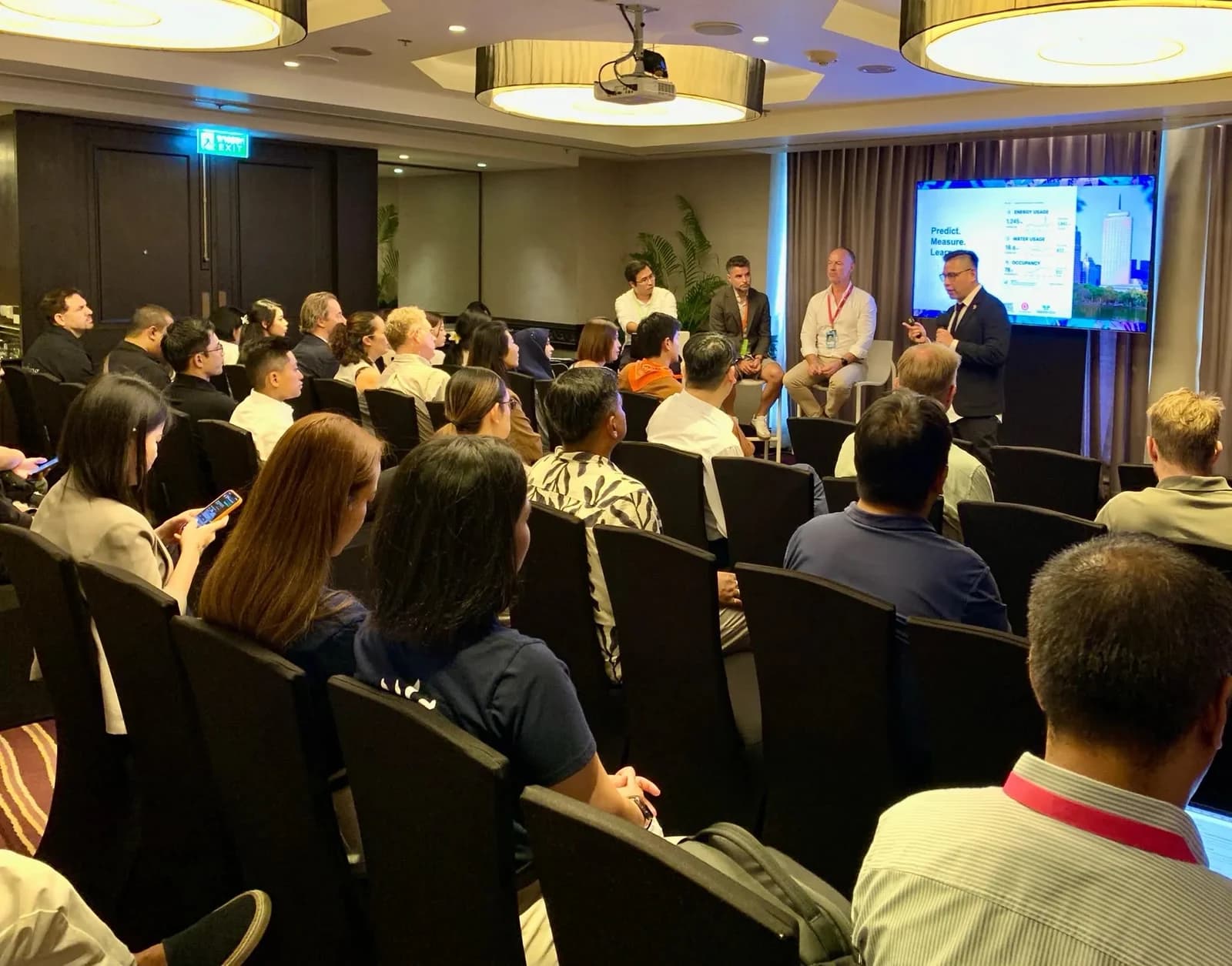
Predict, measure, and learn
Opening should be the beginning of another stage of learning. Sensors show what is happening in the building. IoT connects that information so teams can examine it together. AI can help identify patterns and anomalies that deserve closer attention.
The useful question is what that information allows someone to do. Does a pattern suggest that cooling is running when a space is unoccupied? Is water use different from what the design team assumed? Is a change explained by occupancy, weather, a control setting, or equipment that needs attention?
Those are questions to investigate, not automatic conclusions. Measurements need context, and an unusual reading needs checking before it becomes an instruction. The operator's knowledge of the building remains essential.
Comparing actual performance with design assumptions gives both teams something concrete to discuss. It also makes the digital model more useful as a record of intent, rather than something left behind at handover.
Close the loop between design and operation
The next step is to bring those lessons into the next project. If an operating hotel reveals where assumptions were weak, future designs can start with better questions. That requires a connection between the people designing the building and the people maintaining it every day.
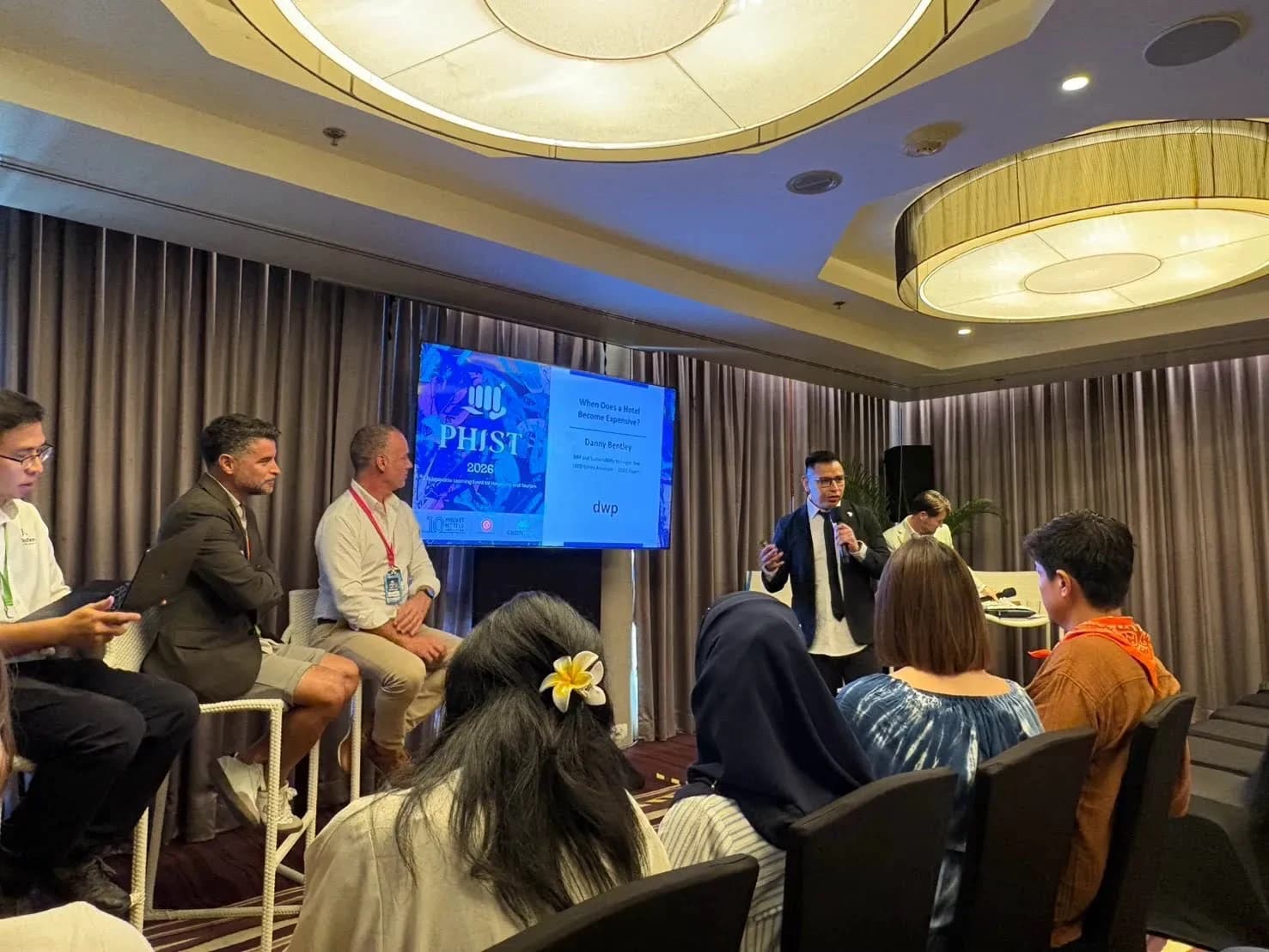
We design once, but we should learn every day.
That is the direction I want to pursue through my work in AI + Sustainability, BIM, and computational design. Technology should help us make better decisions before construction, understand performance after opening, and carry useful evidence into future work.
A smart hotel is not simply filled with technology. It helps people make smarter decisions: better for the guest, better for the operator, and ultimately a better investment.